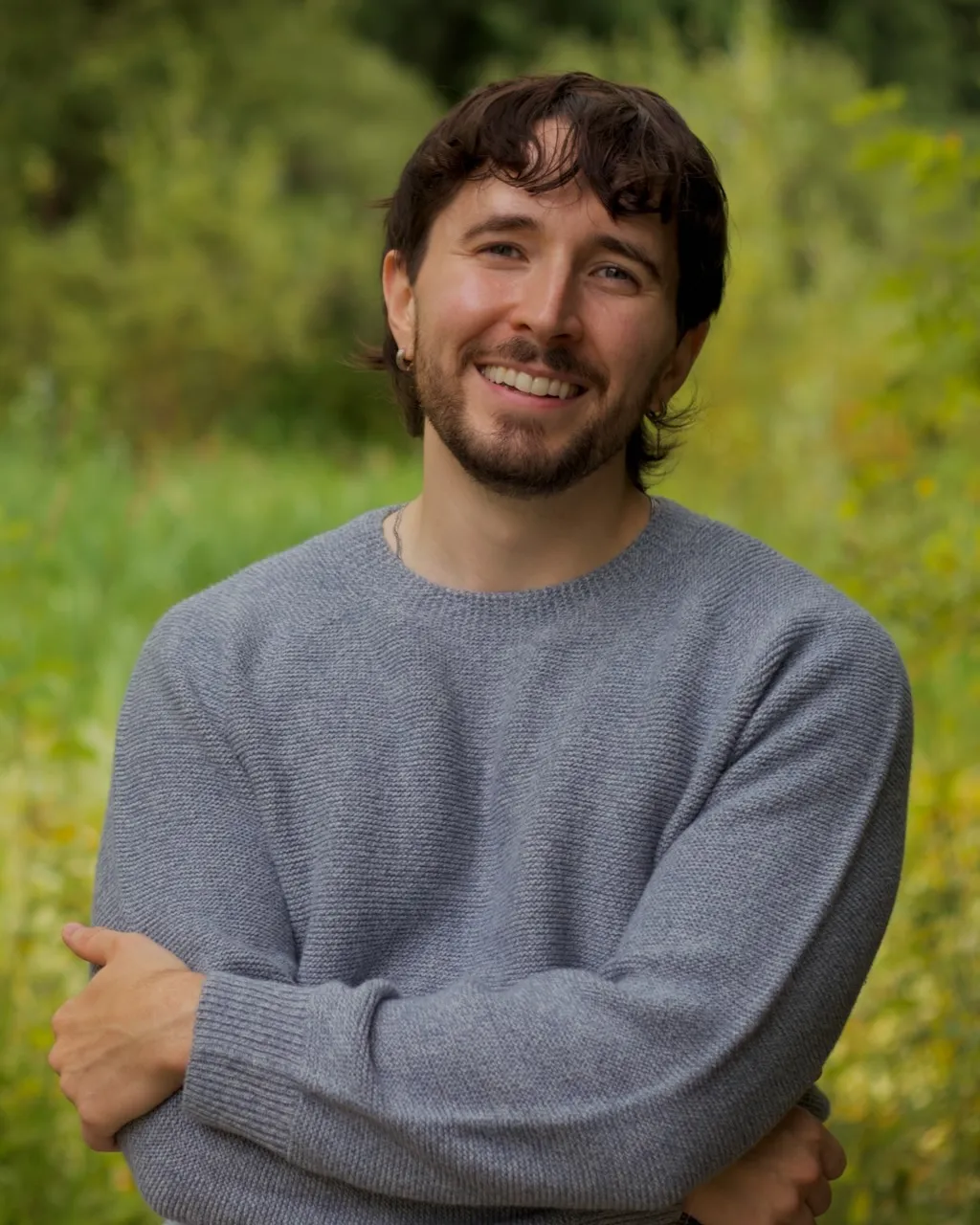
Hello!
I am a master’s counselling student under continuing clinical supervised practice, currently offering person-centred, trauma-informed support for adults navigating eating disorders and body dysmorphia, and related concerns, across BC.
Master’s counselling student
What it is like to work with me
My name is Bryson Best, and I am a master’s counselling student under clinical supervised practice as I complete the final semester of my program. I specialize in eating disorders and body dysmorphia, and offer counselling for adults who want thoughtful, collaborative support with eating disorders, body dysmorphia, and body image distress. I also offer support for working with neurodivergence, anxiety, and mood.
I decided to become a therapist because I have seen for myself how transformative it can be to have a safe, non-judgmental space to explore difficult experiences and emotions. I strongly believe in the power of human connection and the importance of providing a safe and supportive space for people to work towards recovery from eating disorders and body dysmorphia.
My role is to be a guide and co-facilitator in the therapeutic process: you bring expertise about your own experience; together we make sense of what hurts and what might help.
My approach is rooted in the belief that full recovery is possible for everyone. I work with people who are ready to explore their relationship with food, body, and self, and who want to develop a more compassionate and empowered way of being in the world.
I practice within a person-centred and trauma-informed dynamic, and the primary therapeutic interventions I use are person-centred counselling, cognitive-behavioural therapy (CBT), and psychodynamic therapy. I also incorporate elements of existential and interpersonal psychotherapy, as well as mindfulness-based approaches.
Whether you arrive with a clear goal or a vague sense that something needs to change, we start where you are. Wherever you are in your recovery journey, we can work together to explore your experiences, identify patterns, and develop strategies for growth and healing.